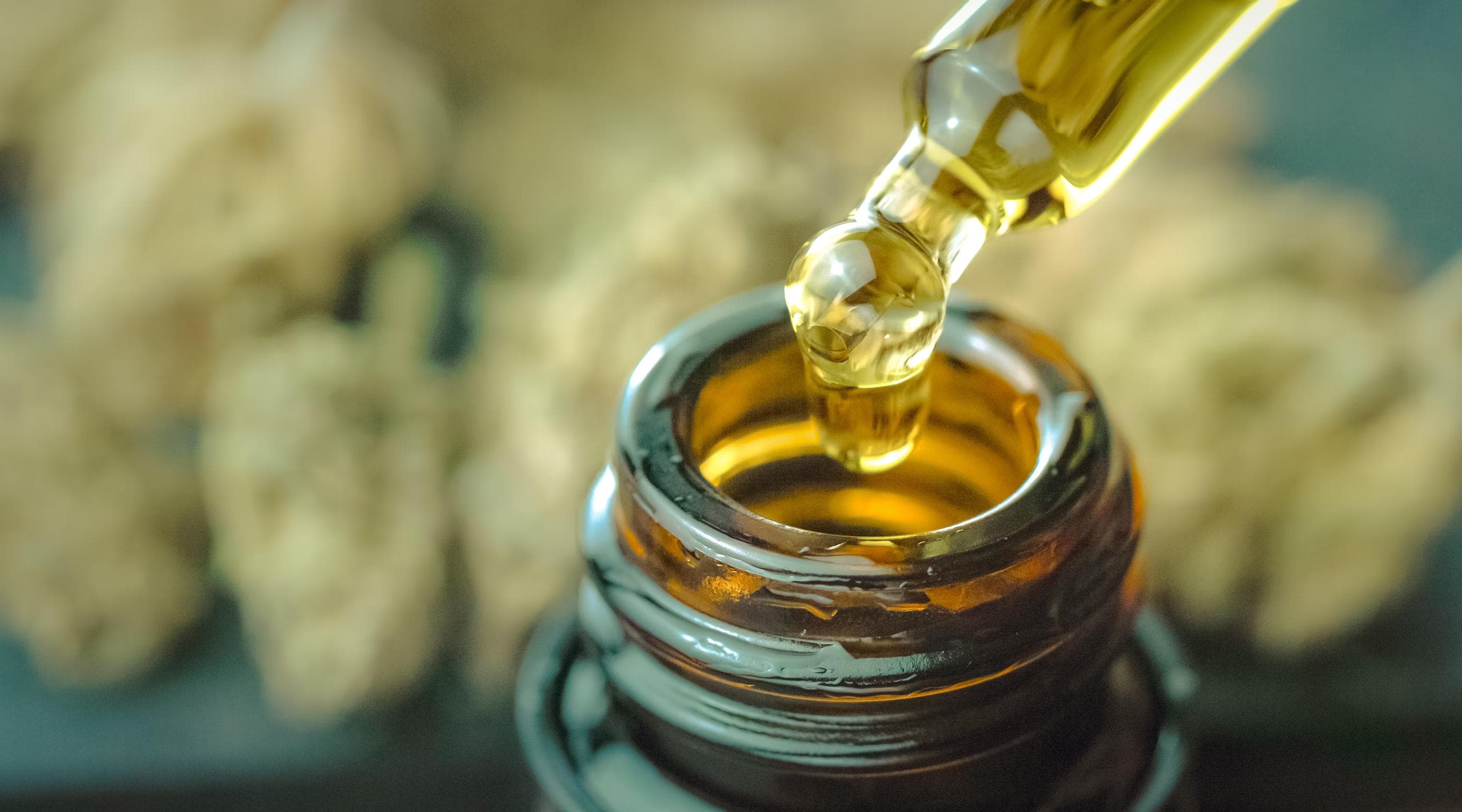
Introduction
As medicinal cannabis becomes more widely accessible across Australia, patients are often overwhelmed by the variety of delivery methods available. Vaping has emerged as a preferred choice for many due to its rapid onset and discretion. However, a common point of confusion for new and experienced patients alike is selecting the correct "oil" for their hardware.
Using the wrong type of liquid can not only ruin your vaporizer but can also pose serious health risks. Whether you are looking for high-potency relief or a flavor-rich experience, understanding the nuances of THC liquids is the first step toward a successful medicinal journey.
Understanding the Basics: What is THC Vape Oil?
In the context of vaping, "THC oil" generally refers to a concentrated cannabis extract specifically formulated for inhalation. Unlike traditional cannabis oils meant for oral consumption, vape-ready oils are processed to remove plant waxes and chlorophyll that would otherwise burn and clog a device.
In the Australian medicinal market, you will typically encounter two forms:
Pure Distillates: High-potency THC with most other plant compounds removed.
Full-Spectrum/Live Resin: Oils that retain the original terpenes and cannabinoids of the plant for an "entourage effect."
Why Choosing the Correct Oil Matters for Your Device
Every vaporizer is designed to handle a specific thickness (viscosity) of liquid. If you use an oil that is too thick for a standard e-liquid vape, the coil will burn out instantly. Conversely, if the liquid is too thin for a high-powered concentrate pen, it may leak into the battery and cause a short circuit.
Choosing the best THC vape oil ensures that your device operates at the correct temperature, providing a smooth vapor that is easy on the lungs while maximizing the therapeutic benefits of your prescription.
Distillate vs. Live Resin: Which is Best for You?
When browsing medicinal options, you will likely choose between these two popular extracts:
THC Distillate: This is the "gold standard" for potency. It is clear, flavorless (unless terpenes are added back), and provides a very consistent effect. It is ideal for patients who need a high dose of THC without the strong smell of cannabis.
Live Resin: This is harvested from flash-frozen cannabis plants, preserving the delicate terpene profile. It offers a "fuller" experience and is often preferred by patients who find that the natural aromatics of the plant assist with anxiety or sleep.
Viscosity and Ingredients: What to Look for
The quality of your vape oil is defined by what isn't in it. In a regulated market like Australia, TGA-compliant oils should avoid harmful thinning agents.
Thickness: High-quality THC oil should be thick and move slowly like honey. If it flows like water, it may be heavily diluted with PG (Propylene Glycol) or VG (Vegetable Glycerin).
Safety Check: Ensure your oil is free from Vitamin E Acetate, a dangerous thickening agent sometimes found in unregulated products. Always stick to laboratory-tested medicinal products to ensure you are inhaling pure cannabinoids and terpenes.
The Golden Rule: Never Vape Oral Tinctures
The most important tip for any patient is to distinguish between vape oil and oral tinctures. Many medicinal cannabis oils prescribed in Australia are "Tinctures" or "Sublingual Oils" that use a base of MCT (coconut) oil or olive oil.
You must never put these in a vaporizer. Inhaling lipid-based oils can cause lipid pneumonia, a serious lung condition. Only use products explicitly labeled for "inhalation" or "vaporization" in your device.
Explore Our Products
To get the most out of your medicinal THC oil, you need a device that can handle the specific viscosity of high-quality extracts. We offer a selection of top-tier hardware designed for efficiency, portability, and ease of use.
Explore our collection of vaporizers and accessories available on:
buydisposablesaustalia.com
From refillable pod systems to dedicated oil pens, we provide the technology you need for a premium medicinal experience.
FAQ
Can I put regular THC oil in my vape?
Only if it is specifically formulated for vaporization. Never vape medicinal oils intended for oral or sublingual use, as they contain carrier oils that are dangerous to inhale.
What is the difference between THC vape juice and THC oil?
"Vape juice" usually contains PG/VG and is thinner, designed for standard e-cigarette style vapes. "THC oil" usually refers to pure cannabis distillate or resin, which is much thicker and requires a ceramic coil or specialized oil pen.
How do I know if my THC oil is high quality?
Look for laboratory test results. High-quality oil should be translucent (not cloudy), have a thick viscosity, and be free from chemical additives or synthetic flavors.
Why does my THC oil turn dark over time?
This is usually due to oxidation. Exposure to heat, light, and oxygen can darken the oil. It is generally still safe to use, though the flavor may change slightly.
What temperature should I vape THC oil at?
Most THC oils are best vaporized between 160°C and 220°C. Lower temperatures preserve flavor (terpenes), while higher temperatures provide more intense effects.
Conclusion
Choosing the right THC oil for your vaporizer is a balance of hardware compatibility, desired medicinal effects, and, most importantly, safety. By understanding the difference between distillates and live resins—and strictly avoiding oral tinctures in your device—you can ensure a safe and effective treatment. Always consult with your prescribing doctor to find the specific oil formulation that meets your therapeutic needs.
Internal Linking Opportunities
Category Page: Shop THC Oil Compatible Vaporizers
Educational Article: [The Dangers of Vaping Non-Inhalable Oils]
Troubleshooting Guide: [How to Fix a Clogged Oil Cartridge]
Product Review: [Top 3 Refillable Pod Systems for THC Distillate]
References / Sources
Therapeutic Goods Administration (TGA) — https://www.tga.gov.au/medicinal-cannabis-guidance-documents
Australian Department of Health: Vaping Safety — https://www.health.gov.au/topics/vaping
Journal of Aerosol Medicine: Inhalation of Lipids and Health Risks — https://www.liebertpub.com/loi/jamp
Cannabis Scientist: Distillate vs Live Resin Comparison — https://thecannabisscientist.com/